
Preserving provenance. Protecting value. Future proofing the past.
GeneSys Antica secures the timeless value of antiquities and ancient art by transforming legal provenance documents and ownership rights into future proof digital certificates according to European Regulations.
GeneSys Antica connects valuable ancient objects with their provenance documents through a smart contract, thus creating a durable, immutable and verifiable digital certificate of authenticity. This process secures ownership rights, transactions, royalties, and legal compliance for the global market.
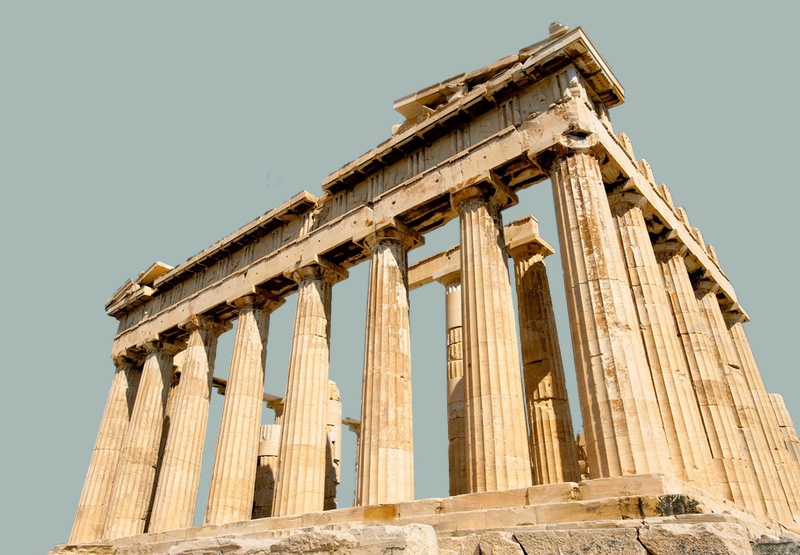
Preserving provenance
The Challenges with the New EU Regulation
EU Regulation 2019/880 is being applied through 2024–2026 and introduces EU-wide import controls for cultural goods. These include antiquities over 250 years old, and require evidence that objects were lawfully exported from their country of origin and that they were legally present in another country for a set period.
This new regulation has an effect on the European and global antiquities markets. Objects with incomplete provenance paperwork become harder to move, sell, loan, or consign—reducing liquidity and value, while increasing compliance burdens for galleries, museums, auction houses, universities, foundations, and collectors.
Genesys Antica provides a solution by connecting provenance documents and legal compliance with the objects so that trust in the market is restored and transparency is created with keeping the highest integrity into account. Provenance becomes durable, auditable, and future-proof.
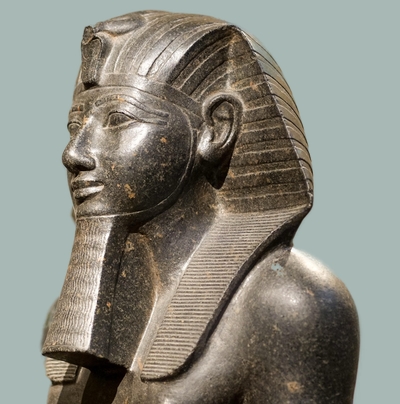
Who GeneSys Antica is for
For Galleries & Collectors
- Protect the legal status and market value of collections
- Enable lawful transfer, sale, and inheritance under EU law
- Provide buyers, institutions, and authorities with verified provenance
- Reduce legal uncertainty and reputational risk
For Museums & Public Institutions
- Secure documented ownership and shared rights frameworks
- Enable compliant loans, exhibitions, publications, and image use
- Preserve institutional continuity across administrations and jurisdictions
- Support ethical stewardship while limiting illicit trade
Protecting value
How GeneSys Antica Works
Verified Provenance Infrastructure
Each object is linked to a confidential, immutable, and verifiable provenance record, like a digital certificate, designed to meet the requirements of EU Regulation 2019/880 while preserving privacy and institutional autonomy.
Controlled Transparency with Integrity
The result is a market in which legally held objects remain usable and mobile, museums can loan and publish with confidence, galleries can transact responsibly, and authorities gain clarity without unnecessary exposure.
Ownership & Rights Continuity
GeneSys Antica does not own, trade, or intermediate antiquities. It operates as a neutral cooperative infrastructure, licensing its technology and services while ownership and stewardship remain with the institutions and collectors themselves.
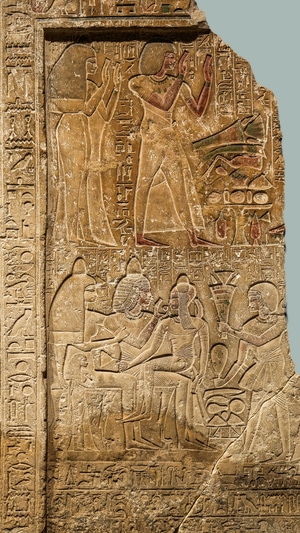
Future proofing the past
How Collections Are Made Future Proof
Provenance documentation intake
Historic provenance documents, ownership records, and supporting evidence are securely collected and assessed within a controlled, GDPR-compliant environment.
Verification and compliance checks
Documentation is reviewed for legal consistency with EU Regulation 2019/880, UNESCO 1972, and UNIDROIT 1995 standards.
Ledger registration — a digital certificate of provenance (smart contract)
Each object is linked to a confidential, immutable provenance record within the GeneSys Antica ledger, ensuring long-term integrity.
Ownership and rights encoding
Legal ownership, shared institutional rights, and usage permissions are durably encoded to ensure continuity across transactions, loans, and exhibitions.
Controlled Transparency Database
Controlled Access and Continuity Access is tiered and role-based, allowing lawful transfer or institutional use while sensitive data remains protected.
tiered access model
About GeneSys Antica's Database
The Database has tiered access to provenance information. GeneSys Antica applies a strict, role-based authentication model to balance transparency with legal, ethical, and privacy obligations.
Standard (Public) Access
The general audience can view a limited, abstracted provenance timeline via the public smart contract. This confirms verified points in time and lawful continuity of ownership without revealing identities, documents, or sensitive details.
Enhanced (Authenticated) Access
Detailed provenance records—including full documentation, high-resolution images, and ownership history—are accessible only through additional authentication rights. These rights are granted exclusively to: The legal owner of the object.
On the condition of the permission and authorisation of the legal owner, public institutions, such as governments or universities, can have temporary access for purposes of legal research, due diligence, or academic study. All access is logged, auditable, and granted in accordance with GDPR, institutional protocols, and applicable law.
Controlled Transparency by Design
This layered access model ensures that provenance can be verified when legally or academically required, while ownership, privacy, and cultural sensitivity remain protected—now and into the future.
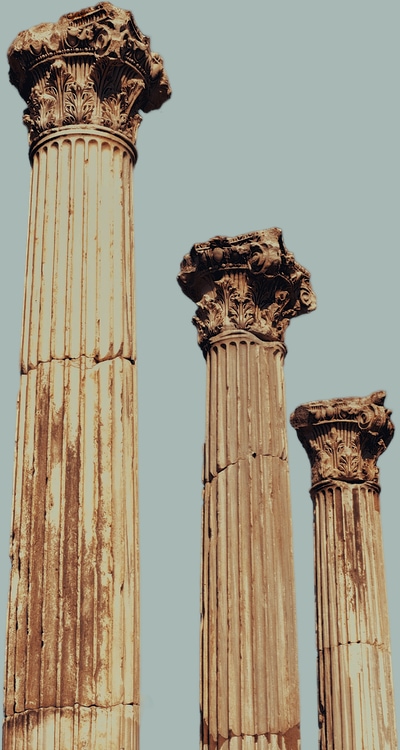
digital fingerprinting
High-Resolution 3D Documentation
GeneSys Antica offers high-resolution 3D scanning as an additional layer of object documentation for valuable antiquities and cultural heritage objects. These scans capture the object’s physical characteristics in precise detail, including form, surface features, tool marks, wear patterns, and material irregularities.
Verifiable Digital Fingerprint
Each 3D scan is securely linked to the object’s provenance record through a verifiable digital fingerprint. A cryptographic hash derived from the scan encodes the object’s unique physical characteristics and is registered within the GeneSys Antica smart-contract framework. This ensures that the digital record corresponds to one specific, verifiable object and cannot be substituted or altered without detection.
Secure Access & Long-term Integrity
The 3D data remain protected and accessible only through authenticated access rights, while the associated hash provides long-term integrity, reference stability, and future comparability. Over time, this enables condition monitoring, scholarly study, and enhanced due diligence, without exposing sensitive information or compromising ownership.
Research, Conservation & Due Diligence
High-resolution 3D documentation strengthens provenance, supports conservation, and prepares collections for future research, verification, and responsible digital use.
institutional autonomy
Governance & Compliance
Compliance should not require surrendering custody of archives and research. Governance in GeneSys Antica is designed around institutional autonomy and lawful verification.
The infrastructure is operated as neutral cooperative technology: galleries, institutions and private collectors retain ownership of records, permissions remain granular, and disclosures stay purpose-bound to legal need.